
Do Poughkeepsie, NY business owners need a special license for a 2026 Mercedes-Benz Sprinter Cargo Van?
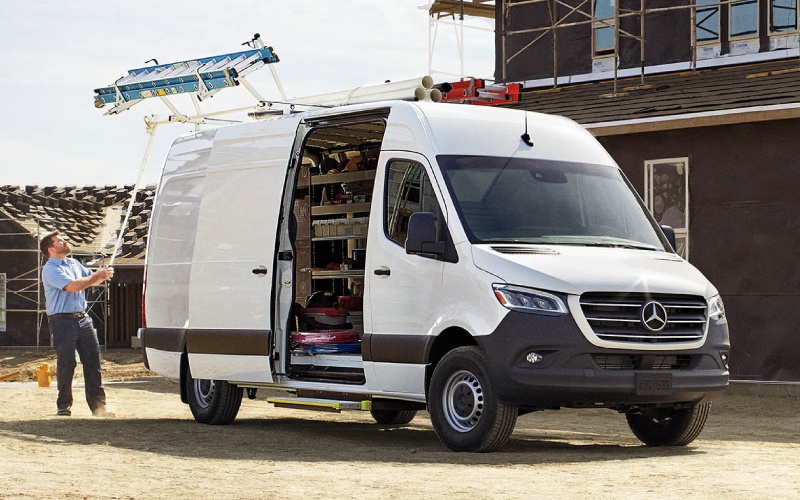
Mercedes-Benz of Wappingers Falls – Do Poughkeepsie, NY business owners need a special license for a 2026 Mercedes-Benz Sprinter Cargo Van?
A Sprinter Cargo Van can often be driven with a standard driver’s license, but the correct answer depends on the exact configuration, how the van is registered, what it carries, and how your business uses it. For many small business owners, contractors, mobile technicians, couriers, and service professionals, a cargo van is selected because it delivers serious utility without feeling like a large commercial truck. Even so, licensing rules deserve careful attention before adding a van to your fleet.
For shoppers comparing Sprinter Cargo Van options around Poughkeepsie, the smartest approach is to look beyond the badge and focus on the vehicle’s specifications and intended use. Mercedes-Benz Vans offers a broad Sprinter Cargo Van lineup with 144″ wheelbase, 170″ wheelbase, and 170″ Extended choices, plus Standard Roof and High Roof options. Model classes include 2500, 3500, 3500XD, and 4500 configurations, with payload ratings that vary significantly. That flexibility is a major advantage, but it also means business owners should confirm licensing, registration, insurance, and operational requirements before choosing a specific build.
Why license requirements can vary
Most licensing questions come down to vehicle weight rating, business use, cargo type, and local regulations. A lighter cargo van used by a contractor to carry tools may be treated differently from a heavier configuration used in a regulated commercial operation. If your business transports hazardous materials, uses the van for certain commercial services, crosses state lines as part of regulated commerce, or operates at higher weight classifications, additional requirements may apply.
That does not mean every Sprinter Cargo Van buyer needs a commercial driver’s license. Many shoppers choose a Sprinter Cargo Van because it provides strong cargo space and payload capability while still driving with familiar van dynamics. The key is to confirm the exact Gross Vehicle Weight Rating, registration category, and business use case with the appropriate licensing authority and insurance provider. Mercedes-Benz of Wappingers Falls can help you review vehicle configurations, while official licensing guidance should come from state and regulatory sources.
What to review before choosing your Sprinter Cargo Van
Before deciding on a van, gather a clear picture of your daily operation. This helps you choose the correct Sprinter Cargo Van configuration and makes licensing conversations much easier. A plumber carrying tools and fittings has different needs than a delivery business with dense cargo, and both differ from a mobile service company installing shelving, partitions, power equipment, or specialty storage.
- Vehicle weight rating: Review the specific rating for the model class you are considering, especially when comparing 2500, 3500, 3500XD, and 4500 configurations.
- Payload needs: Add the weight of tools, products, shelving, bins, flooring, partitions, and any mounted equipment before choosing your van.
- Business use: Consider whether your operation is local, regional, interstate, regulated, or connected to specialized commercial services.
- Cargo type: Standard tools and inventory may be straightforward, while hazardous or regulated materials can trigger additional requirements.
- Registration category: Confirm whether your vehicle will be registered as personal, commercial, fleet, or another category based on your business.
- Insurance requirements: Speak with your insurance provider early so coverage aligns with the van’s use, upfit, and operating area.
Once those details are clear, it becomes easier to compare roof height, wheelbase, drivetrain, and technology. The goal is to avoid selecting a van that is either too small for real work or larger than your operation requires. A right-sized van can improve maneuverability, loading efficiency, driver comfort, and long-term satisfaction.
How Sprinter Cargo Van configurations affect daily use
The Sprinter Cargo Van lineup is designed around choice. A 144″ wheelbase can be appealing for businesses that prioritize maneuverability and frequent stops. A 170″ wheelbase or 170″ Extended model may be more suitable for longer materials, larger delivery volume, or trade-specific shelving. A Standard Roof can help with certain clearance needs, while a High Roof can improve walk-in access and interior organization.
Payload also deserves close attention. OEM information shows payload ratings that vary by configuration, with certain 4500 models offering capacity above 6,000 lbs and other configurations designed for lighter but still substantial use. Businesses should remember that payload is not just the products being carried. Upfits, racks, drawers, flooring, partitions, ladders, generators, and driver supplies all count toward the working load. This is where careful planning can prevent operational frustration later.
Drivetrain selection can also influence confidence. Mercedes-Benz Vans highlights Maximum Traction with AWD, Automatic transmission, 9G-tronic, and Cruise control as key performance features. Available Diesel High Output AWD may be worth considering for businesses that visit job sites with uneven access, travel steep local grades, or carry weight across varied road conditions. For many Hudson Valley companies, that extra traction confidence can be a practical business advantage.
Technology can support safer, easier commercial driving
Licensing is only one part of choosing a work van. Driver confidence, visibility, and fatigue management are also important. The Sprinter Cargo Van includes standard Emergency Call and Active Brake Assist, and available technologies include Blind Spot Assist, Attention Assist, 360-Degree Camera, Active Distance Assist Distronic, Traffic Sign Assist, LED Performance Headlights, Wet Wiper System, and Active Lane-Keeping Assist.
These systems can be especially useful for businesses that drive through busy corridors, make curbside stops, park near customer locations, or operate with a loaded cargo area that limits rear visibility. Available Blind Spot Assist can support lane-change awareness. Available 360-Degree Camera can help in tight parking areas and loading zones. Available Attention Assist can help promote awareness on long or repetitive routes. The available MBUX Multimedia System with 10.25″ touchscreen also helps modernize the cab, while Mercedes me connect can help connect drivers, vehicles, and managers for improved operational visibility.
How to prepare for a licensing conversation
If you are unsure whether your specific Sprinter Cargo Van use requires additional licensing, prepare a short information packet before contacting the DMV, insurance provider, or compliance advisor. This will help you get a more accurate answer than simply asking about “a van.”
- Identify the exact configuration: Include model class, wheelbase, roof height, drivetrain, and Gross Vehicle Weight Rating if available.
- Describe the business use: Explain whether the van will carry tools, packages, inventory, equipment, or regulated materials.
- Estimate loaded weight: Include upfit components and recurring cargo, not just the empty vehicle.
- Define operating area: Note whether routes are local, regional, interstate, or connected to contract transportation.
- Confirm registration plans: Ask which registration type applies to your business and vehicle configuration.
This preparation can help avoid delays and reduce uncertainty. It can also guide your buying decision. If one configuration creates unnecessary complexity for your operation, a different Sprinter Cargo Van setup may deliver the utility you need with a simpler ownership path.
Frequently Asked Questions:
Do all Sprinter Cargo Van drivers need a commercial driver license?
No. Many Sprinter Cargo Van configurations and uses may not require a commercial driver license, but the answer depends on vehicle rating, registration, cargo, and business operation. Always verify requirements with the appropriate state or regulatory authority before putting the van into service.
Does payload affect licensing?
Payload itself is not the only factor, but the vehicle’s weight rating and loaded use can matter. A heavier configuration, specialized cargo, or regulated commercial operation may create different requirements than a lighter local service van.
Can an upfit change what I need to consider?
Yes. Shelving, partitions, storage systems, flooring, mounted tools, and specialty equipment add weight and can affect payload planning. Upfits should be included when evaluating the right configuration, insurance needs, and overall business use.
Why should I test drive before deciding?
A test drive helps confirm visibility, turning radius, parking comfort, seating position, technology usability, and overall confidence. For a business vehicle, those details can influence daily productivity as much as cargo space.
For business owners serving Poughkeepsie, Orange Lake, and Peekskill, a Sprinter Cargo Van can be an exceptionally smart work partner when properly matched to the job. The most important step is to choose with intention. Review the configuration, confirm licensing and registration details, plan the upfit, and make sure the van supports your routes, drivers, and customers. With the right preparation, you can move forward confidently and build a commercial vehicle setup that works as hard as your business does.
0 comment(s) so far on Do Poughkeepsie, NY business owners need a special license for a 2026 Mercedes-Benz Sprinter Cargo Van?