
Which cargo van offers the smarter driver-assistance for Peekskill, NY routes — the 2026 Mercedes-Benz Sprinter Cargo Van or the 2026 Ford Transit?
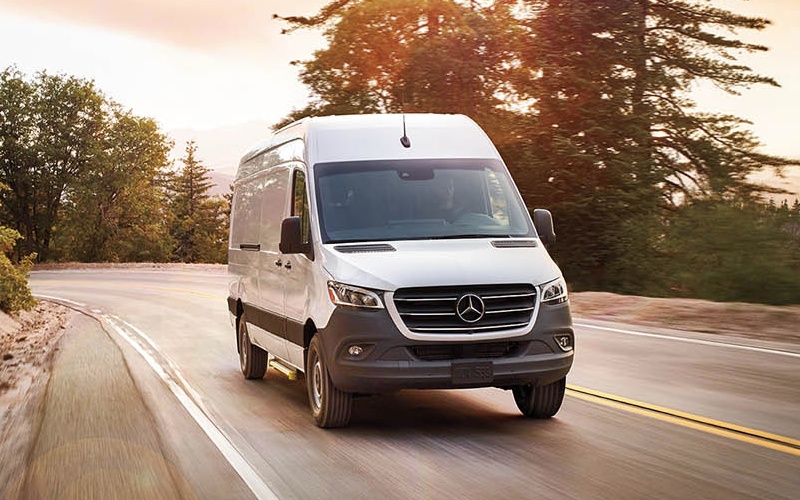
Mercedes-Benz of Wappingers Falls – Which cargo van offers the smarter driver-assistance for Peekskill, NY routes — the 2026 Mercedes-Benz Sprinter Cargo Van or the 2026 Ford Transit?
Driver-assistance tech has shifted from nice-to-have to daily necessity for businesses that run tight schedules across Peekskill, NY, the river corridors, and suburban hubs nearby. If you’re comparing the 2026 Mercedes-Benz Sprinter Cargo Van and the 2026 Ford Transit for safety and assistance smarts, the conversation starts with what the systems do in heavy traffic, low-speed maneuvering, and long, fatigue-prone days. Both vans provide strong baselines, but the Sprinter layers in additional technologies that meaningfully reduce workload: ATTENTION ASSIST® to help identify drowsiness, available Active Distance Assist DISTRONIC for smooth gap management, and available 360-degree camera integration that pairs naturally with MBUX. Meanwhile, Transit’s Ford Co-Pilot360 brings Pre-Collision Assist with Automatic Emergency Braking, Lane-Keeping System, and helpful parking sensors, making it a competent partner for common scenarios.
At a deeper level, how the systems interact—and how naturally drivers can access them—matters just as much as the feature list. Sprinter’s MBUX Multimedia System with a 10.25-inch touchscreen offers crisp graphics and conversational voice control, which makes mid-route changes and quick setting tweaks feel seamless. DISTRONIC’s smooth speed and distance transitions reduce start-stop lurching, and the available Traffic Sign Assist provides timely reminders when limits shift between city blocks and highway stretches. If your team spends mornings threading tight streets, lunch hours jumping onto Route 9 for a few exits, and afternoons backing into mixed-use alleys, those subtle refinements translate into fewer close calls and cleaner days. That is where a well-integrated suite, tuned for professional duty cycles, pays dividends over time.
What driver-assistance features really ease the daily grind?
Look for features that reduce cognitive load and help drivers maintain consistent awareness. In Sprinter, ATTENTION ASSIST® can cue drivers to take a break before fatigue snowballs. Active Brake Assist supports confident stops when traffic compresses quickly, and available Active Lane-Keeping Assist helps nudge you inside the lane when commuting between job sites. Transit’s standard Pre-Collision Assist with Automatic Emergency Braking and Lane-Keeping System offers practical coverage, especially for drivers new to full-size vans. Both vans support parking aids; the Sprinter’s available 360-Degree Camera adds a top-down perspective that’s especially helpful around dock doors and street-side loading zones.
How does the tech feel from the driver’s seat?
Interface fluency is everything on real routes. MBUX presents a modern, intuitive layout with clear tiles, logical menus, and quick, accurate voice responses—even when you’re dealing with road noise or juggling route updates on the fly. That cohesion extends to how assistance alerts surface, so drivers don’t have to hunt for settings when the day gets busy. SYNC 4 in Transit is straightforward and familiar to many drivers, which is a positive, but Sprinter’s combined hardware and software polish tends to reduce distractions when it counts. For training and onboarding, that difference can shorten learning curves and improve adoption across multiple drivers.
Making the choice for your routes
If your use case focuses on frequent lane changes, quick merges, and variable speed traffic—think Peekskill’s Main Street exchanges, short connections to the Taconic, and riverfront detours—the Sprinter’s extra assistance layers and MBUX clarity provide tangible benefits. The available diesel torque, paired with the 9G-TRONIC transmission, also helps the driver keep a calm, steady pace when the schedule tightens. For operations that are consolidating multiple van roles into one platform, having those systems scale consistently across trims is a genuine advantage in day-to-day execution.
Pros and considerations at a glance
- Awareness aids: Sprinter offers ATTENTION ASSIST® and available Traffic Sign Assist to help drivers stay sharp and compliant.
- Cruise and spacing: Available DISTRONIC in Sprinter provides smoother gap control than typical systems, easing stop-and-go fatigue.
- Low-speed confidence: Sprinter’s available 360-degree camera and clean MBUX display simplify alley docking and curbside staging.
- Transit baseline: Ford Co-Pilot360 brings essential AEB, Lane-Keeping, and parking sensors for everyday coverage.
How this plays out across the Hudson Valley
Routes that weave between industrial parks, residential streets, and commercial corridors demand agility. In practice, Sprinter’s assistance stack feels like an experienced co-driver—staying vigilant when traffic ebbs and flows, and making tight maneuvers more predictable. That can be the difference between ending a shift fresh enough to plan the next day or feeling worn down by the last mile. If your vans often bounce between quick deliveries, scheduled service calls, and occasional highway transfers, the Sprinter’s tech tends to show its value several times per day rather than once in a while.
Frequently Asked Questions:
Does the Sprinter offer more advanced driver-assistance than Transit?
Both deliver strong fundamentals, but Sprinter adds layers like ATTENTION ASSIST®, available Active Distance Assist DISTRONIC, and available Traffic Sign Assist that go beyond Transit’s standard suite. For teams that prize smoother pacing and clearer alerts, Sprinter takes the lead.
Is a 360-degree camera available on these vans?
Sprinter offers an available 360-Degree Camera that works hand-in-hand with MBUX for a clean, informative view—especially helpful in tight loading areas. Transit offers helpful parking sensors; feature availability can vary by trim and package.
Which system is easier for mixed-experience drivers to use?
Both are approachable, but many teams find MBUX’s intuitive menus and accurate voice control reduce fiddling and speed up training. That can pay off when multiple drivers rotate through the same vehicle during busy weeks.
When you’re ready to see how these features feel on your routes, our team can tailor a demonstration around your loading patterns and stop density. We’re Mercedes-Benz of Wappingers Falls, serving Orange Lake, Peekskill, and Wappingers Falls with guidance that connects the dots between features and daily operations. One focused drive often makes the choice clear.
To summarize, the 2026 Mercedes-Benz Sprinter Cargo Van provides a deeper, more integrated driver-assistance toolkit. For operations that live and die by on-time windows and clean maneuvers in complex environments, that added intelligence isn’t just reassuring—it’s a practical advantage you can measure in calmer shifts and consistent results.
0 comment(s) so far on Which cargo van offers the smarter driver-assistance for Peekskill, NY routes — the 2026 Mercedes-Benz Sprinter Cargo Van or the 2026 Ford Transit?